
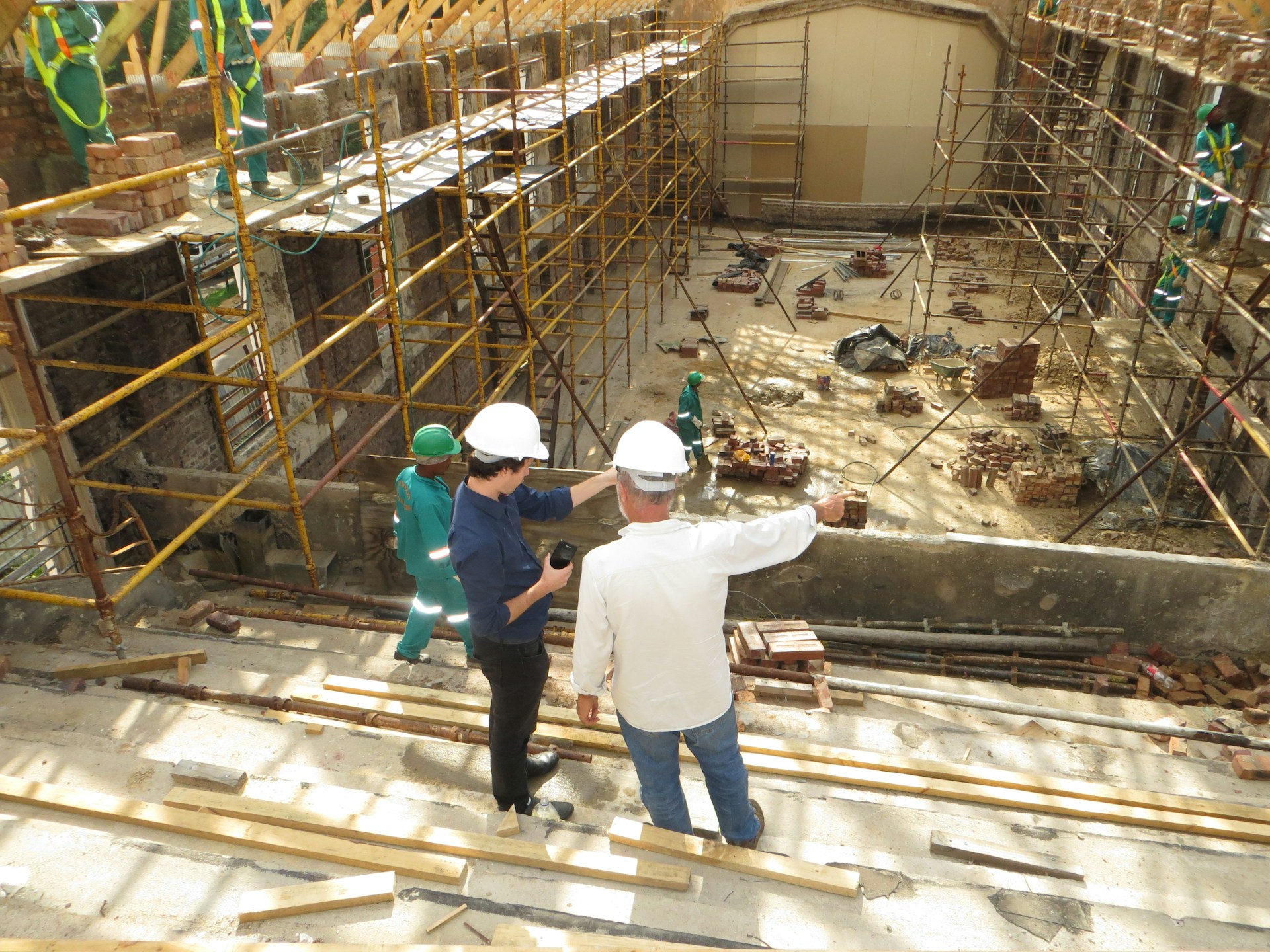
Best Practices for Infrastructure Assessments
Infrastructure assessments play a vital role in ensuring the safety and efficiency of built environments. Conducting thorough assessments helps identify potential issues before they escalate into serious problems. This proactive approach can save time, money, and even lives. It’s all about making sure that the foundations of buildings, roads, and other structures are in good shape and up to code.
Many things need to be considered when assessing infrastructure. From evaluating the structural integrity to checking compliance with regulations, every detail matters. Neglecting any of these elements can lead to costly repairs or, worse, catastrophic failures.
That’s why a systematic approach is necessary. It involves various steps, from initial inspections to detailed analysis, and finally creating a plan for maintenance or remediation. Understanding these aspects will help you carry out more effective and efficient assessments, ensuring the longevity and safety of your projects.
Importance of Infrastructure Assessments
Infrastructure assessments are crucial for keeping buildings and facilities safe and sound. They help spot problems early, before they become big issues. Regular checks ensure that every part of a structure, from the foundation to the roof, meets safety and compliance standards. This is important because even small issues can lead to big problems if left unnoticed.
These assessments save money in the long run. By identifying and fixing minor issues early, we avoid costly repairs or replacements. They also help prevent disasters like collapses or major structural failures. Inspections ensure that everything is working well and that any risks are managed properly.
Finally, assessments provide peace of mind. When you know buildings and structures are safe, it is easier to focus on other important tasks. Whether it’s a school, hospital, or office building, knowing it’s been checked and found safe is a big relief. Regular infrastructure assessments are key to maintaining safe, reliable buildings.
Key Components of a Thorough Infrastructure Assessment
Conducting a thorough infrastructure assessment involves several important steps. These ensure that no part of the structure is overlooked and that all potential risks are identified. Here are the key components:
1. Visual Inspection: This is the first step. It involves looking at the entire building, both inside and out, to spot any visible issues. Cracks, leaks, and signs of wear and tear are noted.
2. Structural Analysis: This involves more detailed checks of the building’s framework. Engineers look at things like beams, columns, and foundations to make sure everything is strong and stable.
3. Compliance Check: Buildings need to meet certain safety standards and regulations. This part of the assessment makes sure all parts of the structure comply with current laws and codes.
4. Safety Systems Review: Fire alarms, sprinklers, and other safety systems need to be checked. This ensures they will work properly in an emergency.
5. Maintenance History Review: Looking at past repairs and maintenance logs can provide clues about existing issues. This step helps in understanding the building’s history and frequent problem areas.
By following these steps, we can ensure that every aspect of the building is safe and up to standard. Each component is essential for getting a complete picture of the building’s condition. With a thorough assessment, we can confidently address any issues and plan for the future.
Steps to Conduct an Effective Infrastructure Assessment
Carrying out an effective infrastructure assessment requires a clear plan and methodical steps. Here’s a simple guide to ensure every aspect of the infrastructure is thoroughly examined:
1. Pre-Assessment Preparation: Before starting, gather all the necessary documents. These might include building plans, previous inspection reports, and maintenance records. Having these documents handy will provide a strong foundation for your assessment.
2. Initial Walkthrough: Begin with a simple walkthrough of the site. This helps in getting a general sense of the building’s condition. Take note of visible issues such as cracks, leaks, or signs of wear.
3. Detailed Inspection: Once the initial walkthrough is done, proceed to a more detailed inspection. Use specialised tools to check the structural integrity of the building. Pay close attention to key areas like foundations, supports, and load-bearing elements.
4. Safety System Evaluation: Inspect all safety systems, including fire alarms, sprinklers, and emergency exits. Ensure they are functioning properly and are up to the current standards.
5. Compliance Check: Cross-check the building’s current condition against local regulations and standards. This step is crucial to ensure that the building is compliant with all safety and construction codes.
6. Report Findings: Document all findings and highlight any issues that need immediate attention. A detailed report will help in planning repairs and maintenance tasks.
7. Recommendations and Action Plan: Provide clear recommendations based on the findings. Create a step-by-step action plan to address any identified issues. Prioritise tasks based on urgency and impact on safety.
By following these steps, you can ensure a thorough and effective infrastructure assessment, making the process clear and manageable.
Common Challenges and How to Overcome Them
Conducting infrastructure assessments can come with several challenges. Understanding these obstacles and knowing how to handle them can make the process smoother and more effective.
- Lack of Documentation: Sometimes, you might not have access to complete building plans or past inspection reports. This can make it difficult to understand the full scope of the building’s condition. To overcome this, conduct a comprehensive initial walkthrough and gather as much information as possible from current occupants or maintenance staff.
- Hidden Issues: Not all problems are visible during an inspection. Issues like internal structural damage or hidden leaks can go unnoticed. Using specialised tools and technology, like thermal imaging and moisture meters, can help in detecting these hidden problems.
- Compliance with Updated Regulations: Building codes and safety regulations are often updated. Ensuring the infrastructure meets the latest standards can be a challenge. Stay informed about current laws and guidelines, and consider consulting with experts who specialise in building codes.
- Time Constraints: Thorough assessments can be time-consuming, and there may be pressure to complete them quickly. To manage this, create a well-organised schedule and prioritise critical areas first. Efficient planning and teamwork can help meet deadlines without compromising the quality of the assessment.
- Communication Gaps: Miscommunication between assessment teams and stakeholders can lead to missed issues or misunderstandings. Regular meetings and clear, concise communication channels can help ensure everyone is on the same page.
Understanding these challenges and being prepared to address them ensures a more effective and thorough infrastructure assessment, ultimately leading to safer and better-managed buildings.
Best Practices for Infrastructure Assessments That Save Time and Money
Infrastructure assessments are a critical part of maintaining safe and reliable buildings. By understanding their importance and knowing the key components, steps, and common challenges, we can conduct more effective assessments. These processes help us identify potential issues before they become serious problems, saving time and money in the long run.
At Pace Project Group, we believe in the value of thorough infrastructure assessments. Our team is dedicated to ensuring that every building we evaluate meets the highest standards of safety and reliability. By following best practices, we aim to create safer environments for everyone.
If you’re looking for expert assistance with your infrastructure assessment, contact Pace Project Group today. Let our experienced team help you ensure your building is safe and up to standard with our strategic consultancy services. Reach out to us to learn more about how we can support your next project!