
Infrastructure Assessments Demystified: Building Safety and Quality Assurance
Infrastructure assessments are essential for ensuring that buildings and other structures are safe and of high quality. These assessments involve checking different parts of a building to make sure everything is working correctly and safely. Knowing how to perform these assessments helps prevent problems that could lead to accidents or damage.
Assessments are important because they identify any issues in a building early on, allowing them to be fixed before becoming bigger problems. Regular infrastructure assessments also help maintain the quality of a building. This means that buildings can last longer and remain in good condition.
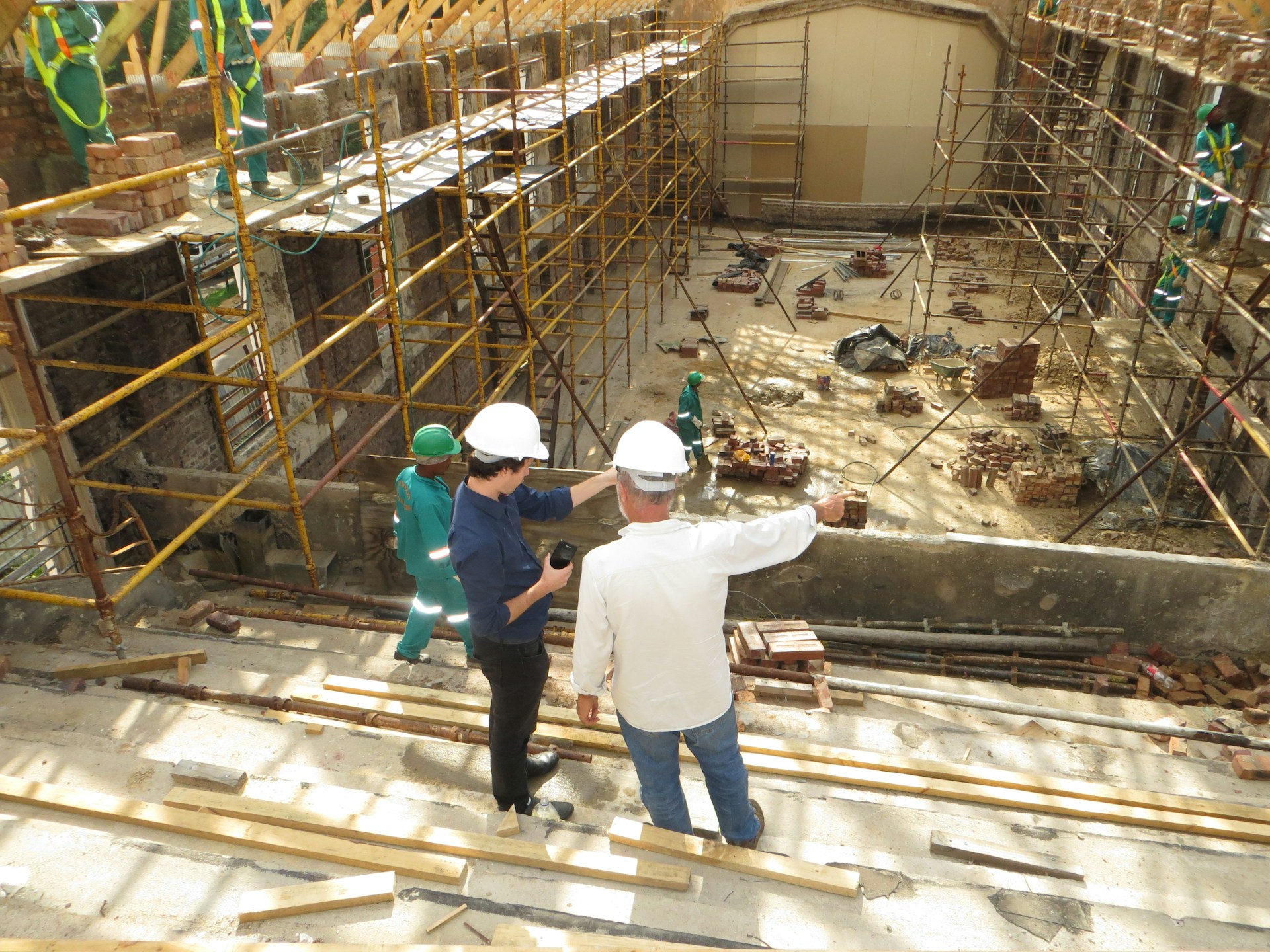
Conducting these assessments requires attention to many details. Inspectors look at various elements such as the materials used, the condition of the structure, and any signs of wear and tear. Each part of the assessment helps ensure that the building is safe and meets all necessary standards. Being thorough in these assessments ensures that potential problems are caught and addressed promptly, keeping buildings safe and sound.
Infrastructure assessments help in making sure that buildings are not only safe but also efficient and reliable. They play a key role in the overall maintenance and management of any infrastructure project.
Understanding Infrastructure Assessments
Infrastructure assessments involve a detailed review of a building’s components to ensure safety and quality. These assessments check various elements, such as the structure, materials, and overall condition, to find any potential problems. They are crucial for keeping buildings safe and ensuring they meet all necessary standards.
Infrastructure assessments are important for several reasons. First, they help prevent accidents by identifying and fixing issues early on. If a building has a structural weakness, for instance, an assessment can find it before it becomes a danger. Additionally, assessments ensure that all parts of a building are in good condition, which helps maintain the building’s quality and longevity.
Key elements involved in an infrastructure assessment include checking the structural integrity, material quality, and overall condition. Inspectors look for any signs of wear and tear, damage, or other issues that could affect safety and performance. Proper attention to these elements ensures that the building remains safe and functional.
Common Techniques in Infrastructure Assessments
Several techniques are used in infrastructure assessments to ensure thorough checks. These include visual inspections, material testing, and structural analysis.
1. Visual Inspections: This technique involves a detailed look at the building’s visible components. Inspectors check for cracks, corrosion, or any other issues that can be seen with the naked eye. Visual inspections are often the first step in an assessment.
2. Material Testing: This method involves testing the materials used in the structure to ensure they meet quality standards. For example, concrete samples may be tested for strength, or metal parts could be checked for durability. Material testing helps identify any weaknesses or flaws that could affect the building’s safety.
3. Structural Analysis: This technique involves evaluating the building’s structural components to ensure they can support the loads they are meant to carry. It may involve using software tools or physical models to simulate different scenarios and assess the structure’s performance.
Technology plays an important role in facilitating these techniques. For instance, drones can be used for visual inspections in hard-to-reach areas, and specialised software can help with structural analysis.
Each technique is useful in different situations. Visual inspections are great for initial checks and identifying obvious issues. Material testing is crucial when there are concerns about the quality of building materials. Structural analysis is necessary for understanding the overall stability and performance of a building. Together, these techniques ensure a comprehensive assessment of any infrastructure.
Importance of Regular Infrastructure Assessments
Regular infrastructure assessments are essential for preventing structural failures and accidents. By continually checking the condition of buildings and structures, potential issues can be identified and fixed early. This helps avoid dangerous situations such as collapses or other structural problems that can harm people or properties.
Conducting regular assessments has long-term benefits for project management and cost savings. When problems are caught early, they are usually easier and cheaper to fix. This saves money in the long run because you avoid costly repairs and downtime. It also ensures that projects stay on track and meet their deadlines.
Compliance with regulatory requirements is a key reason for performing regular assessments. There are laws and standards in place that require buildings to be checked regularly to ensure they remain safe and secure. Keeping up with these regulations helps avoid fines and legal issues, ensuring that the building meets all necessary standards.
Best Practices for Conducting Infrastructure Assessments
For thorough and effective infrastructure assessments, follow these best practices:
1. Use Trained Professionals: Ensure that assessments are carried out by professionals who are well-trained and experienced. They know what to look for and how to identify potential problems.
2. Proper Equipment: Use the right tools and equipment for assessments. Good equipment ensures that all aspects of the building are checked properly and accurately.
3. Clear Documentation: Keep detailed records of all findings and actions taken during assessments. This documentation is important for tracking issues and ensuring that they are resolved correctly.
4. Regular Follow-Ups: Schedule regular follow-up assessments to continually monitor the condition of the building. This helps catch any new issues and ensures ongoing safety and quality.
5. Involve Stakeholders: Make sure that all relevant stakeholders are informed about the assessment process and findings. This helps ensure that everyone is on the same page and that necessary actions are taken.
Following these best practices helps ensure that infrastructure assessments are effective and thorough, maintaining the safety and quality of buildings and structures.
Conclusion
Infrastructure assessments play a crucial role in ensuring the safety and quality of buildings. Regular checks help identify and fix potential issues before they become major problems, preventing accidents and structural failures. Techniques such as visual inspections, material testing, and structural analysis are essential tools for these assessments.
Building owners and managers who prioritise regular assessments enjoy long-term benefits, such as better project management and cost savings. Compliance with regulatory requirements is also crucial to avoid legal issues and fines.
By following best practices like using trained professionals, proper equipment, clear documentation, and regular follow-ups, you can ensure that your infrastructure remains safe, efficient, and reliable.
If you want to ensure the safety and quality of your buildings, partner with Pace Project Group. We offer comprehensive infrastructure assessment and technical advisory services tailored to your needs. Contact us today to learn how we can help you maintain top-quality infrastructure.