
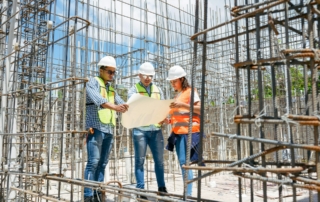
Effective Steps for Managing Defects in Construction
Managing defects in construction is crucial for ensuring the success of any project. Defects can arise from various sources, such as poor workmanship, substandard materials, or even from design errors. If these defects are not managed properly, they can lead to significant delays, increased costs, and dissatisfaction among clients. Understanding the Importance of Defect Management in Construction Defect management is vital in construction because it directly affects the quality and safety of a project. When defects are properly managed, it helps avoid costly repairs and project delays. It also ensures that the final product meets all required standards and satisfies[...]

Level Up Your Procurement Skills: A Guide for Construction Professionals
Procurement is a vital part of any construction project. It involves selecting suppliers, negotiating contracts, and purchasing materials. Effective procurement ensures that projects run smoothly and stay within budget. In construction, procurement is crucial because it directly impacts the quality and cost of the project. Poor procurement can lead to delays, increased costs, and subpar materials. Understanding the basics and mastering essential skills can make a huge difference. This guide will help you understand the key components of procurement in construction. Whether you are new to procurement or looking to improve your skills, you will find useful information to help[...]
The Art of Defect Management: Inspection Techniques for Construction Pros
Defects in construction can cause delays and reduce the quality of a building project. They occur when materials or workmanship do not meet required standards, leading to flaws. Identifying these defects early is crucial for guaranteeing the success of any construction endeavour. A systematic approach to inspecting and managing defects involves thorough inspections, using advanced tools and technologies, and maintaining detailed records. This method ensures that defects are detected promptly and rectified efficiently, preserving the project's integrity and minimising disruptions. Managing defects effectively requires collaboration with contractors and suppliers. It involves categorising and prioritising issues to focus on critical problems[...]

Addressing Community Resistance in Housing Developments
Community resistance in housing developments is a recurring challenge for project managers. As urban areas grow and housing demands increase, developers often face pushback from residents concerned about changes to their neighbourhoods. This resistance can stall or even halt projects, leading to financial losses and unmet housing needs. For professionals handling million-dollar projects, understanding and addressing this resistance is crucial to ensuring timely project delivery and fostering community acceptance. In the Australian context, housing developments often intersect with various local dynamics, including government policies and community interests. Australia's housing sector is defined by its rigorous regulations and the expectation for[...]

Effective Steps for Managing Defects in Construction
Managing defects in construction is crucial for ensuring the success of any project. Defects can arise from various sources, such as poor workmanship, substandard materials, or even from design errors. If these defects are not managed properly, they can lead to significant delays, increased costs, and dissatisfaction among clients. Understanding the Importance of Defect Management in Construction Defect management is vital in construction because it directly affects the quality and safety of a project. When defects are properly managed, it helps avoid costly repairs and project delays. It also ensures that the final product meets all required standards and satisfies[...]